-
Así Es Como Fuimos Hechos
feb 08Esa “pureza” de la que tanto se habla no es natural. Nunca lo fue. Es construida. Y, en gran parte, institucionalizada por la Iglesia como un mecanismo de control — no como una expresión de la condición humana. Los seres humanos no nacen puros ni impuros. Nacemos libres, impulsivos, contradictorios, curiosos, deseantes. El cuerpo precede a cualquier código moral. La piel viene antes que las reglas. El deseo viene antes que el catecismo. La desnudez es el estado original, no una provocación. Lo que la convirtió en un “problema” fue una mirada entrenada para sentir culpa — no el cuerpo en sí. La ropa no es virtud — es convención. La vergüenza no es natural — se aprende. Las diferentes culturas lo demuestran todo el tiempo: donde el cuerpo es visto simplemente como cuerpo, no hay escándalo. Donde el cuerpo es reprimido, se convierte en obsesión. Lo que es reprimido no desaparece — regresa deformado. Por eso hay tanta fijación, tanto tabú, tanta neurosis en torno a algo tan simple como existir en la propia piel. El cuerpo no es inmoral. El deseo no es pecado. La desnudez no es el problema. El problema comienza cuando alguien decide que controlar el cuerpo de los demás es la mejor forma de ocultar su propio desequilibrio interno. Si la desnudez fuera inmoral, no habríamos nacido desnudos. #ficción #cuento #psicología #saludmental #soledad #vidaurbana #literatura

-
Público sin espectáculo
feb 07Ahora camina con más calma. Apenas sale. Ha dejado de quejarse. Antes se la veía por las calles de noche, fumando, bebiendo, riendo a carcajadas con amigos y conocidos. Los domingos iba a la iglesia. Ya no. Solía llevar a sus hijos al colegio. Ahora van solos. Ya no abre la puerta a nadie. Dejó de ir al mercado. Desapareció del mercadillo. Dejó de jugar al bingo los martes. Dejó de visitar a los vecinos. Su existencia desvanecida, estrechamente ligada a su desempeño social, se hizo notar visiblemente. Era, de hecho, alguien a quien solo se veía por el ruido que hacía. Alguien a quien solo veían aquellos que solo ven a quienes encajan en ciertos patrones de conducta. Corrieron rumores de que había muerto. Pero estaba en casa. Viviendo su nuevo amor. No murió. Se desprendió de las expectativas y de los rituales sociales para encontrarse a sí misma. Simplemente dejó de vivir para los demás para ser fiel a sí misma, aunque el precio fuera que la dieran por muerta quienes solo reconocen el movimiento y el ruido. Morir para el mundo puede ser la única forma de renacer para uno mismo. Y ella estaba, por fin, viva. Íntegra. #Ficción, #RelatoCorto, #Psicología, #SaludMental, #Adicción, #Pobreza, #Fe, #Sociedad, #Cultura, #VidaUrbana
-
Las otras criaturas de la casa
feb 06Observo. Siempre lo he hecho. No por curiosidad, sino por necesidad. Es importante saber con quién compartes territorio… incluso cuando es obvio que el territorio debería ser solo mío. Luego está esa otra. Cree que ella manda. Se pasea por la casa como si tuviera algún tipo de autoridad moral. Finge estar tranquila, pero se sobresalta con cualquier ruido. Le gusta el cariño. Demasiado. No me fío de nadie que ansíe tanto afecto. La gente tan necesitada suele ser inestable. Me mira intentando parecer superior, pero sé que me respeta. No por admiración. Por miedo. Eso me satisface. El otro… bueno. El otro es un error de planificación. Apareció creyendo que podía ocupar espacio, moverse libremente, existir. Claramente no recibió el aviso. Es ruidoso. Inseguro. Se acerca demasiado. Se mueve demasiado. Todo en él está mal. No ataco; no lo necesito. Una mirada bien fija, un silencio más pesado de lo normal, y la jerarquía se establece sola. Y el dueño de la casa… Ah, pobre infeliz. Cree que dirige este lugar. Pobre ser insignificante. Corre de un lado a otro, detiene peleas, compra comida, intenta agradar. No se da cuenta de que lo mejor que ha conseguido es el permiso para existir aquí. A veces intenta comprenderme. Fracasa. A veces intenta complacerme. También fracasa en eso. Pero sigue intentándolo. Y eso lo respeto un poco. Al final, todos orbitan a mi alrededor. Incluso cuando fingen que no es así. No necesito que me quieran. Con que me respeten es suficiente. Y si alguno todavía no se ha enterado… bueno, el tiempo enseña. Siempre lo hace. #Ficción #RelatoCorto #Psicología #SaludMental #VidaUrbana
-
A Well-Known Emotional Script
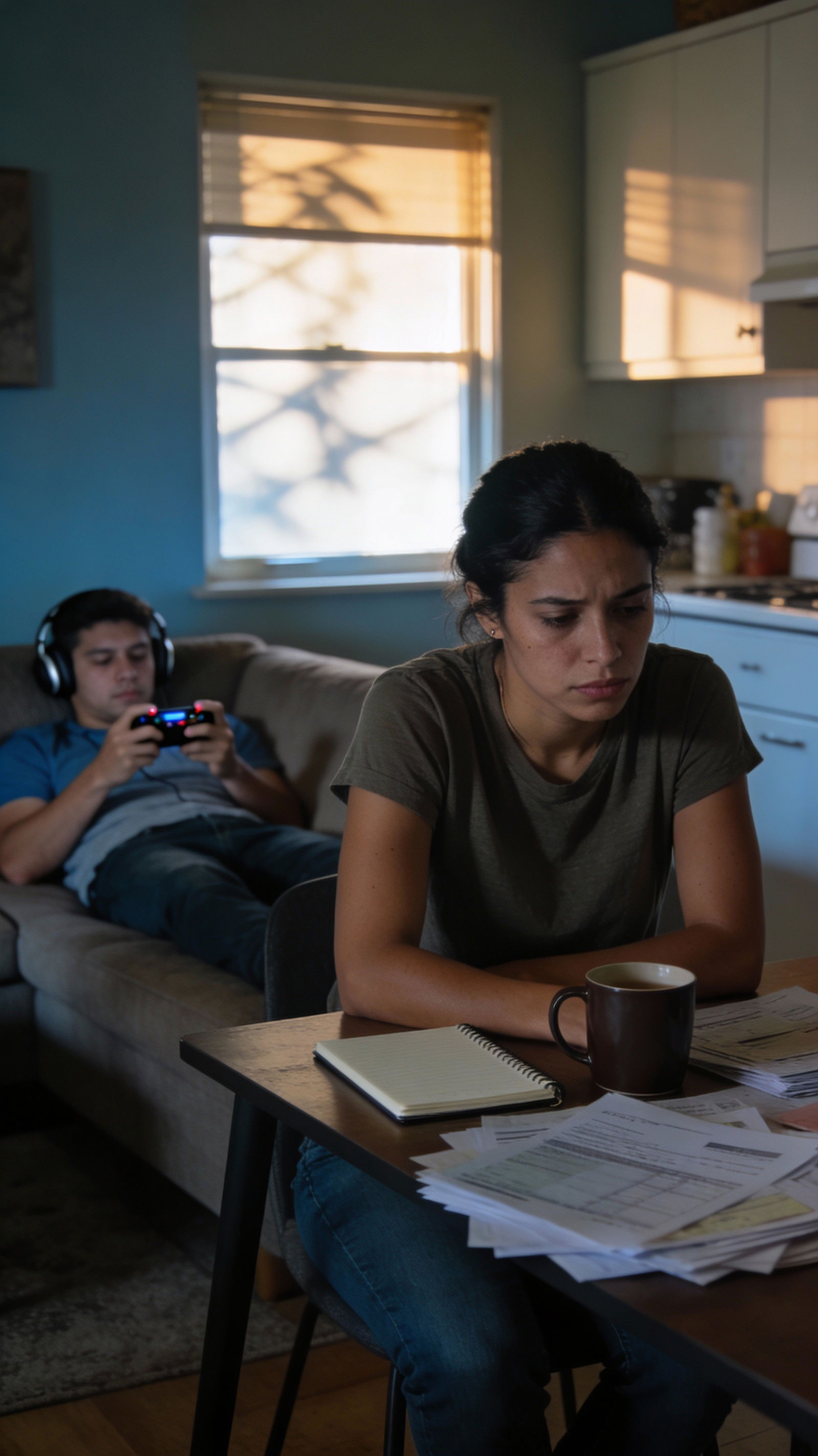
feb 03It happened to them the way it happens to many: they got into a relationship without really knowing what they were looking for. They only knew what they wanted in that exact moment. She fell for his “easygoing vibe.” The playful guy, no real responsibilities, half man, half boy. At first, it looked like freedom, spontaneity, charm. But over time, the charm turned into a burden. The same guy who once seemed “funny” started to feel immature, absent, unable to handle routine, partnership, or any real plan. With no romance left, she slowly began to carry everything on her own: the emotions, the house, the decisions, the responsibilities. Exhaustion turned into resentment. And after that came the collapse of the illusion. It wasn’t cheating out of cruelty. It was frustration, emotional loneliness, the search for someone who could actually show up as an adult. The cheating was just proof of an emotional dynamic that had been unresolved for a long time. He, instead of reflecting, did what so many do: played the victim, blamed the woman, moved back in with his mother saying “they’re all the same anyway.” He became the resentful guy who says he hates relationships, repeating the same pattern that always saves him from having to grow up. Not because he was cheated on, but because he was never actually ready to hold a real relationship in the first place. And the hard truth — the one almost nobody likes to admit — has always been this: If you choose to stay childish, you can’t complain when people treat you like a child. If you run from responsibility, you can’t be shocked when no one takes you seriously. Relationships are unwritten emotional contracts. Wanting affection without maturity is wanting love without having to grow. When someone uses a relationship as a hiding place for their own immaturity, the emotional bill always comes due — and it’s usually paid by the partner who “grew up alone.” And that always charges a price in the end.
-
Cruce
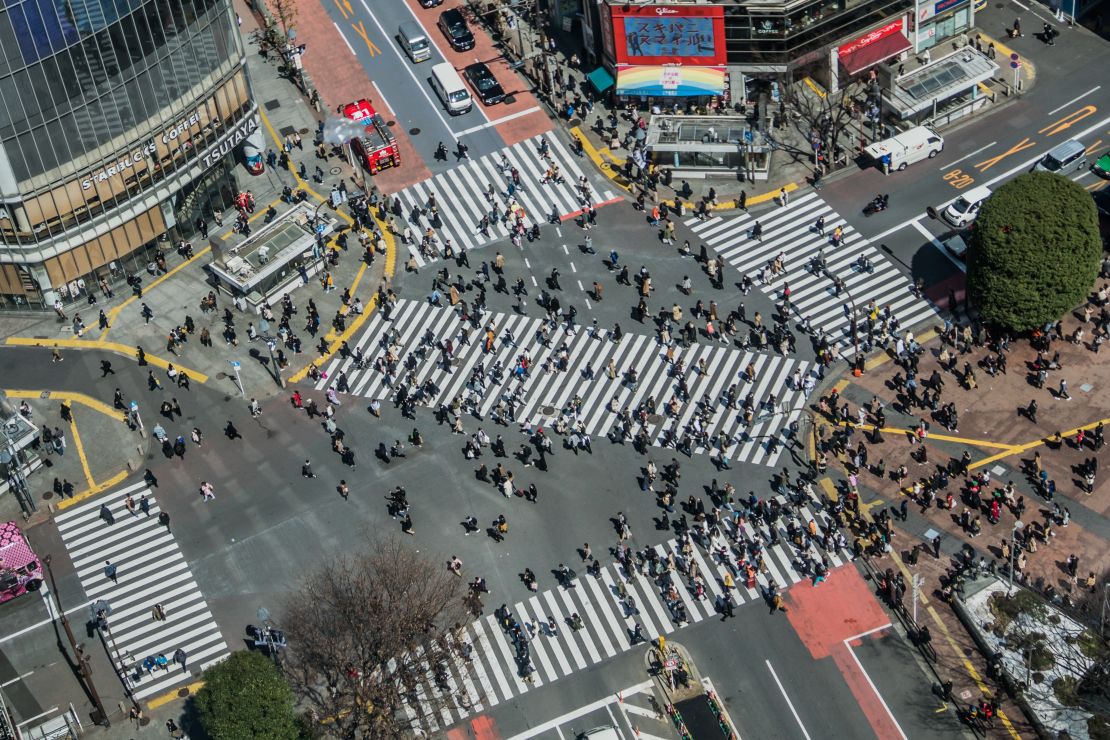
feb 01La gente cruza la calle todo el tiempo, sin previo aviso, sin mirar atrás, sin explicación. A veces es el semáforo, a veces es el sol que pega demasiado fuerte, a veces es solo la costumbre: el cuerpo se mueve antes que la decisión. Porque a veces cruzar es solo un reflejo: ir con la corriente, sin pensar demasiado. Porque este lado duele, asfixia, humilla, aburre. La ciudad enseña esta paranoia silenciosa desde temprano: todos creen que están avanzando, cuando en realidad todos están simplemente evitando algo: un pensamiento, una reunión, un espejo inesperado. Nadie cruza la calle para huir de alguien. La gente cruza porque no sabe cómo quedarse. Ni de este lado. Ni del otro. Nadie está eligiendo bandos. Cada persona solo intenta llegar a algún lugar sin tropezar con sus propios pensamientos. En el fondo, quizás la pregunta no sea «¿por qué la gente cruza la calle?», sino «¿por qué nadie cruza la calle por mí?» o «¿por qué no he cruzado todavía?». La respuesta es cruel: cada persona mide el riesgo y la ganancia de cruzar basándose en su propia soledad, su propio miedo o su propia locura. Quizás cada cruce sea solo una forma educada de seguir caminando sin tener que explicar el peso que llevamos dentro. La búsqueda no es un destino, sino simplemente evitar quedarse quieto en el mismo lugar consigo mismo. Al final, cruzar es solo una manera de seguir caminando: el gesto más pequeño para mantener la ilusión de que uno va a alguna parte, cuando quizás el único lugar real sea la soledad que nos sigue en cada intersección. Si alguien cruza la calle, no significa «No quiero quedarme aquí». La mayoría de las veces simplemente significa: «Ni siquiera sé a dónde voy realmente». #Ficción, #Cuento, #FicciónLiteraria, #Psicología, #VidaUrbana, #Sociedad
-
“The Square of Parallel Universes”
ene 31Rain, snow or shine, the square is always full of them. Fifteen, sometimes twenty, scattered across the benches, on the steps of the fountain or simply parked in the mobility scooters that already seem like extensions of their tired bodies. The clothes are always the same, wrinkled, stained, smelling of days without a shower. There are young people with eyes far too red for that time of the morning, open beer bottles, marijuana smoke perfuming the air at seven, hollow laughter that does not match life. Women with missing front teeth, smoking for free at the expense of old men who can barely hold the pack. A life reduced to survival, to immobility, to aimless waiting. A shared space, but not truly lived together. The square is a single place, but it shelters parallel universes that never touch; everyone occupies the same square meter, but there is no dialogue. It is coexistence without real co-living. And, in the middle of it all, her. The preacher. She shouts at every person who crosses the square, like a clock marking the hour with a “Good morning! Jesus loves you!” that echoes and gets lost in the air. She is neither a villain nor a heroine — she is part of the machinery, the repeated “good morning, Jesus loves you” was just more noise. Sometimes she brings her daughter along, and lately the neighbor has started to show up too — she does not shout, does not smile, does not wish anyone a good morning — she just hands out leaflets that almost nobody takes, but she keeps going, as if it were a mission. These are gestures emptied of meaning by repetition and by the lack of real connection. They are monologues disguised as dialogue, just the raw portrait of a microcosm where poverty, loneliness, addiction and performative faith coexist in a melancholic equilibrium. On the opposite side, a singer with an electric guitar insists on playing, maybe for himself. Nobody listens. The old men remain motionless, the women keep drinking, the young people keep smoking and laughing at nothing. And passersby do not look. There is no pity, no surprise, no anger. The scene seems far too natural, as if the square had been born that way: a warehouse of forgotten people, with background music and free sermons for whoever wants to believe. The square is, deep down, a mirror of how many communities learn to deal with social fracture: not by repairing it, but by making it invisible through familiarity. No one feels anger or pity because the pain there has already lost its status as an event; it has become routine. Each person there, in that square, is an island surrounded on all sides by mental noise.